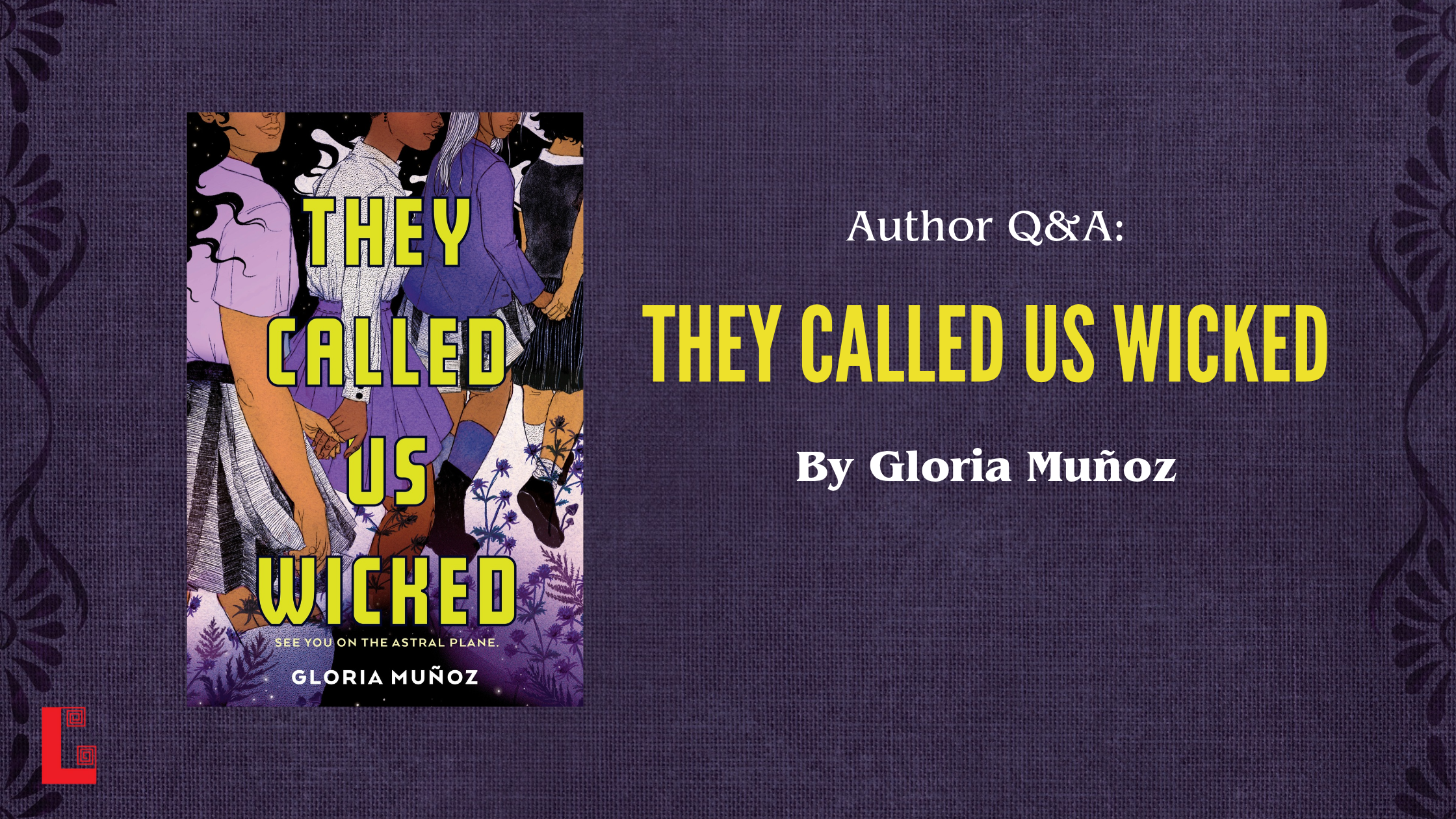
In They Called Us Wicked, Gloria Muñoz again guides us into the near-future much like she did in her debut YA novel. At the center this time are four teenage girls with magical abilities: Lucy, who can weave spells through sound; twins Clara and Fabiola, who can look into the past and future; and Sirena, who can manipulate emotions.
But their powers must be hidden from view. This coven of four lives on the New American Continent, which is governed by an anti-magic conglomerate regime. Their society is rigid, oppressive. But soon, the girls find themselves at an elite school known as Fletcher University. And that’s when they discover something sinister beneath the land the institution sits on.
In They Called Us Wicked, Muñoz—a poet, translator and author of several books including the poetry collection Danzirly—melds dystopia with themes like hyper-surveillance, societal oppression and the deep resistance to it. But at its core is a rich story about the true magic of friendship and community.
Muñoz spoke with Latinx in Publishing about the inspiration behind her new YA novel, depicting witchcraft on the page, and much more.
This interview has been edited for clarity and brevity.
Amaris Castillo: Congratulations on They Called Us Wicked. What inspired you to write this story?
Gloria Muñoz: I was really inspired by friendship, actually. It’s a strange, tough time for many reasons… but friendship and community are a constant, persistent presence in my life. That’s something I really value. The more I think about it, the more I’m like, Oh, this can’t be capitalized or taken or sold. This was a really different book when I started writing it, but it still had these core friends at the center. I really felt like this ensemble cast were the ones almost steering the book as it was being written, because they're so powerful. Yes, they have magic powers, but really their magic comes from being friends and their bonds to each other.
AC: This book centers on a young coven of four: Lucy, who has the power to weave spells through sound; twins Clara and Fabiola, who can look into the past and future; and Sirena, who can manipulate emotions. I’m curious about how you came up with their unique powers, and what do you think these powers do for the overall story?
GM: I was actually listening to live music at a concert, and these powers each kind of came to me. I like the idea of them covering all the sensory bases—like Lucero with sound, and Fabiola and Clara as Seers, and then Sirena being able to sway or manipulate people. But I love music, and I really connect with it a lot as a writer and as a person. And I knew that Lucy was going to have this power that she would learn more about as the book moves forward. All their powers kind of evolve. They’re kind of like one thing, and then they become much bigger as they learn more about themselves and step into their own power.
AC: In this book, witchcraft is viewed as a threat to society—to humanity. We have seen the same sentiment throughout history. I’m thinking, for example, of the women accused of witchcraft centuries ago. Why did you choose to position witchcraft in this way?
GM: The book is set in a society in which there are a lot of rules. It’s very rigid. People cannot talk about the past. There’s a lot of surveillance of every kind. And the entire continent is under this thing called the BioSphere, which continues to grow as the continent takes on new land and usurps new land. It’s kind of this mysterious sphere of fear that they live under. Because of all the rules, I thought magic is that thing that is not controllable. Like friendship and community, it is this unknown. So magic is absolutely illegal and forbidden in this world because it challenges all the rigid and very white-and-black perspectives of the world. Magic doesn’t fit. But as we learn throughout the book, even Fletcher—this very prestigious school where the friends finally meet—tries to be this rigid kind of ivory tower. And yet, as soon as the veneer begins to crack, we learn about the actual land where the school is built and what happened there before. You learn who the land belonged to and what it was. Even that, land in and of itself is wild. And yet we try to control it. So it’s like a larger metaphor for, I think, what cannot be controlled, which is the wildness of land, magic, friendship, all of that.
AC: There’s an incredible amount of worldbuilding in your book, including a suspected anti-magic regime. Can you talk about the research this all entailed?
GM: Yeah. So speculative fiction, right? I’m looking at the real world around us and expanding upon it or blowing it up. Thinking about land and how we, around the world, currently have people at war over land, even within our own country… There’s an eye towards what benefits us when we look at other people’s homes and other people’s lands. I kept thinking about that and being like, Oh, this is so eerie to have this sense of we could just take over. I thought we were past this, and we’re so not. We’re in it, nationally and internationally. We are in this kind of land war, and a war of resources.
The bottom line is, that’s what it comes down to—who benefits from this. In thinking of that, I wanted to expand that and make it like this hyper colonial-like technocratic society that cares about money, technology, and taking over as many resources as it can on the planet. What that looked like was this society called the Path, which is this kind of mega power in the book that just wants more and more. It’s a bottomless hunger that the Path has.
AC: What do you hope readers take away from They Called Us Wicked?
GM: I hope that readers feel empowered in their sense of community, and if they don’t have that community, that they seek it out and find it. That they know that they’re not alone, and that they find their coven. I always feel like friendship is like a chosen family, but it is also like this magic force that helps us get through. It brings a lot of joy to our lives. That’s my biggest takeaway, is finding that community. That is a thing that is really worth having and worth fighting for. And worth cherishing.
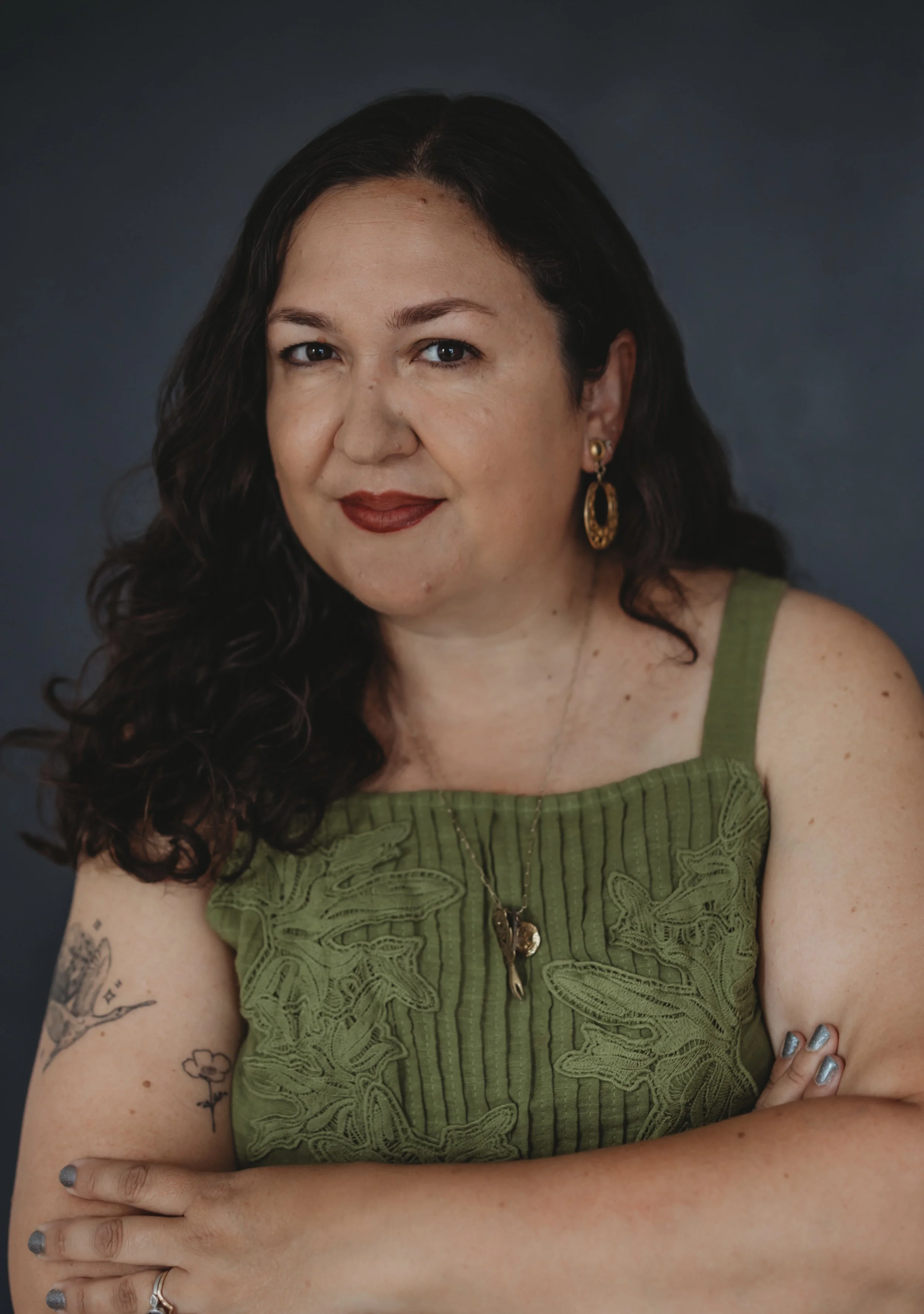
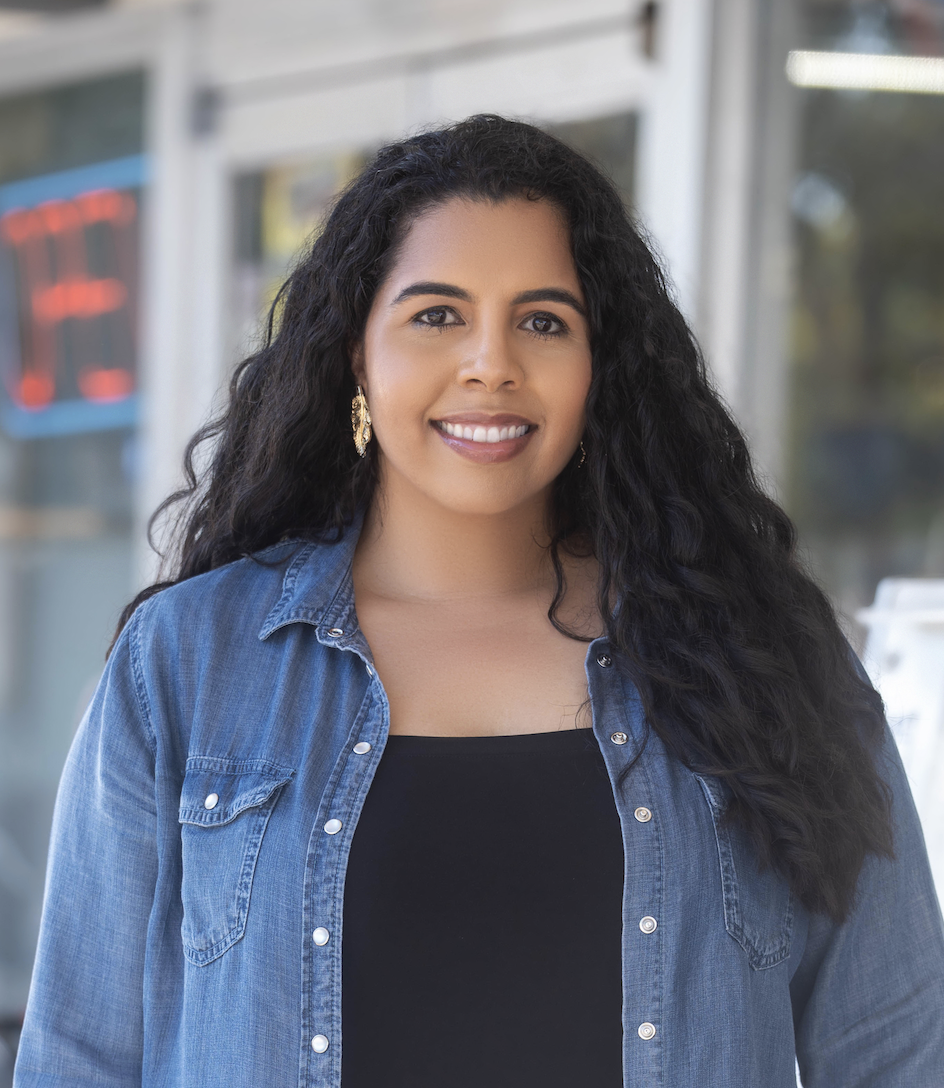
Gloria Muñoz is the author of They Called Us Wicked and of the poetry collection Danzirly, which won the Ambroggio Prize. She is an Academy of American Poets Poet Laureate Fellow, a Hedgebrook Fellow, an Esperimento Sul Respiro Fellow, a Macondista, a Highlights Foundation Diverse Verse Fellow, and a part of Las Musas. Her debut novel, This Is the Year, a YALSA Best Fiction for Young Adults title and winner of the International Literacy Association’s Young Adult Book Award, was hailed as “brilliantly layered” by Booklist in a starred review. gloriamunoz.com IG: @Callingloriaaa
Amaris Castillo is the author of Bodega Stories—out now from the University Press of Florida. A former newspaper reporter, her work has appeared in the New York Times, Lowell Sun, Bradenton Herald, and elsewhere. She is a proud contributor to Latinx in Publishing and is also the lead book reviewer for the Dominican Writers Association. You can follow her work at amariscastillo.com.