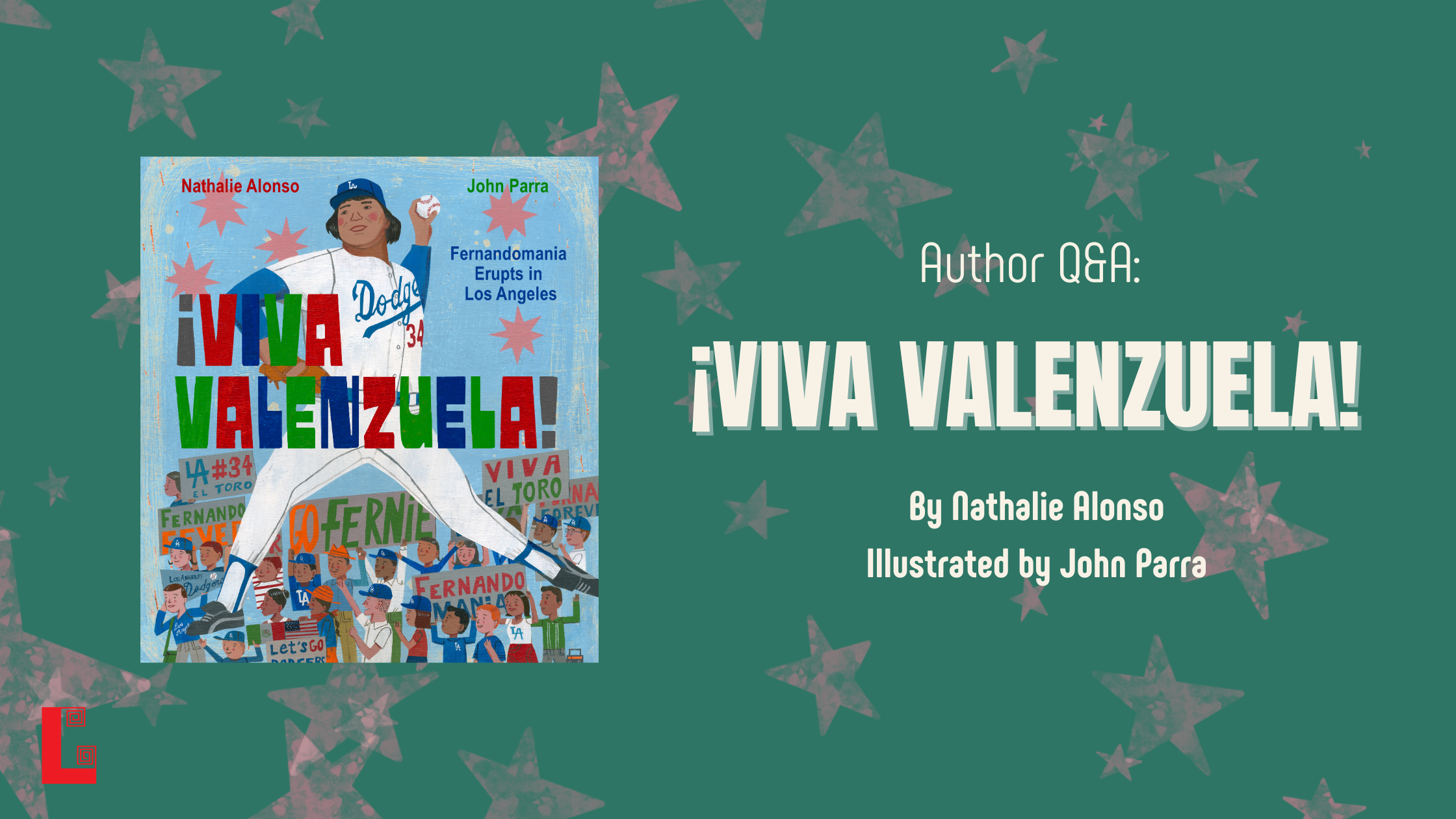
¡Viva Valenzuela! by Nathalie Alonso kicks off on April 9, 1981 — Opening Day for the Los Angeles Dodgers. A big day for fans of the professional baseball team, sure. “But for many Mexican American and Latino families across the city, it was just another Thursday,” Alonso writes.
The team gave the ball to rookie pitcher Fernando Valenzuela. The native of Mexico was only 20 years old and not very familiar to fans. But Fernando’s teammate was injured, and the Dodgers needed his help. The rookie spun a screwball for nine innings and helped the team beat the Houston Astros 2-0. It was the start of what’s known as “Fernandomania.”
With gorgeous art from Pura Belpré Honoree John Parra, ¡Viva Valenzuela! (out now from Calkins Creek) tells the story of this phenomenon and what Valenzuela meant for Mexican and Mexican Americans in LA. Alonso, an award-winning baseball journalist, employed her expert knowledge in the sport to craft a meaningful story about how one man created a sensation that reverberated through one city. It is also a beautiful story about the power of representation to validate one’s identity and foster belonging.
Alonso spoke with Latinx in Publishing about her new picture book, “Fernandomania,” and representation. ¡Viva Valenzuela! is also available in Spanish.
This interview has been edited for clarity and brevity.
Amaris Castillo: Congratulations on ¡Viva Valenzuela! How did this book come about?
Nathalie Alonso: When I started writing books for children, I worked in baseball at the time. You do market research when you’re writing books to see what’s out there, and what’s not. And I noticed that there wasn’t a book at the time about Fernando Valenzuela. I said, How could that be? Because of the place he occupies in baseball history, Los Angeles history, Mexican sports history. So I said, Well, I think I need to fix that. That was the motivation, just finding that there wasn’t a book for children about this incredible man.
AC: You describe Opening Day in 1981 at Dodgers Stadium so vividly. As an author, what elements of that moment were important for you to point out?
NA: That’s a very famous moment in Dodgers history. Fernando was not supposed to pitch on that day, but his teammate’s injured, so he’s given the ball. He was a rookie; he pitched in relief the year before out of the bullpen in 1980, but this was his first start. He shows up, people don’t know much about him, and he just dominates. It was the beginning of this incredible streak he had. And so that’s a very famous moment that kind of begins what is known as “Fernandomania.”
“He was just there to be himself. And look at what he accomplished without having to change anything about who he was. ”
AC: Can you describe your research for this book? Was there anything about Fernando’s life that surprised you the most?
NA: The story of Fernandomania is very well-documented. Fernando was a very private person, though, so it was a challenge to find sources that explained what was going on in his mind at the time. There was also a language barrier, so when he comes up he speaks Spanish, but the media is in English — so there isn’t that much press coverage of him speaking Spanish. So that was challenging. There is an ESPN “30 for 30” documentary called “Fernando Nation” that I watched multiple times, because that was Fernando speaking — not in real time, but in hindsight. That was a way to get into his head a little bit.
In terms of what surprised me — this didn’t make it into the book — but I wrote an article for MLB.com at the time for which I spoke to Fernando’s teammates about Fernandomania. And they talked about just what a joker Fernando was in the clubhouse. I didn’t find a natural way to fit that into the book, but it was a cool thing for me to learn about him — that he was a prankster and a jokester behind the scenes.
AC: One of the biggest themes I took from this story is the importance of representation for Mexican Americans to see Fernando Valenzuela on the field. What was it like to capture that on the page for young readers?
NA: I didn’t want it to be generic. I wanted it to be very true to the way the specific community reacted to that representation, if that makes sense. For example, one of the things that I think is really cool is that Mexican artists wrote songs about him. They’re called corridos. And people prayed for him.
The construction of Dodger Stadium really divided the Latino community. The land that Dodger Stadium sits on is called Chavez Ravine. There were many Mexican and Mexican American families who lived there, and that land was cleared to make room for a housing project that was never built. That’s in the back matter (of the book). That land gets sold to build Dodger Stadium, so there’s this rift with the Latino community. Then someone like Fernando comes along. I wouldn’t say that he fixed what happened, because that’s a very simplistic explanation, but I do think he helped that community heal.
AC: What do you hope readers take away from your book?
NA: The most powerful lesson in this book actually came from another writer. Her name is Gloria Day. A few years ago I was in an online workshop at the Highlights Foundation, which is now Boyds Mills, and she was facilitating a session of peer critiques. She read the manuscript, and she said, You know what? This is a story about the magic that happens when you just show up and be yourself. I hadn’t even considered that myself when I was writing, but now I think about it all the time. Fernando wasn’t trying. He even said he didn’t know the history of Dodger Stadium and Chavez Ravine. He didn’t show up there like, I’m going to be a hero. He was just there to pitch. He’s just there to pitch and be himself. He didn’t look like a traditional Major League pitcher looked like at the time. He wasn’t tall. He wasn’t fit like all these guys. He was just there to be himself. And look at what he accomplished without having to change anything about who he was. That’s what I hope readers will take away.
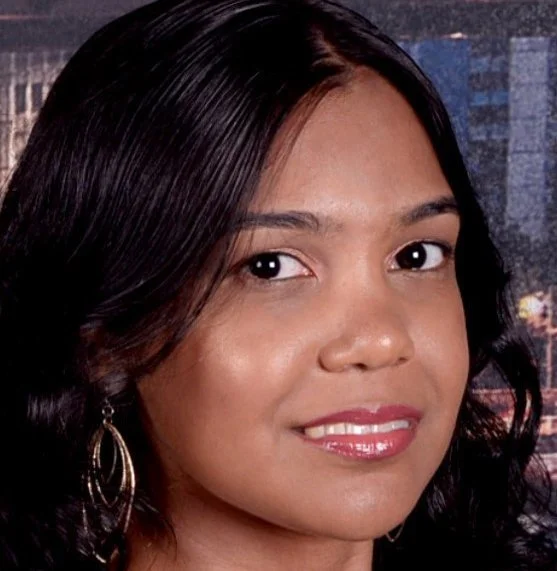
Nathalie Alonso is a Cuban American bilingual writer and journalist based in New York City. A seasoned baseball reporter, her writing has appeared in National Geographic, Outside, and Refinery29, among other outlets. She was a reporter and producer at MLB.com’s Spanish-language sister site, MLB Español. Visit nathaliealonso.com.
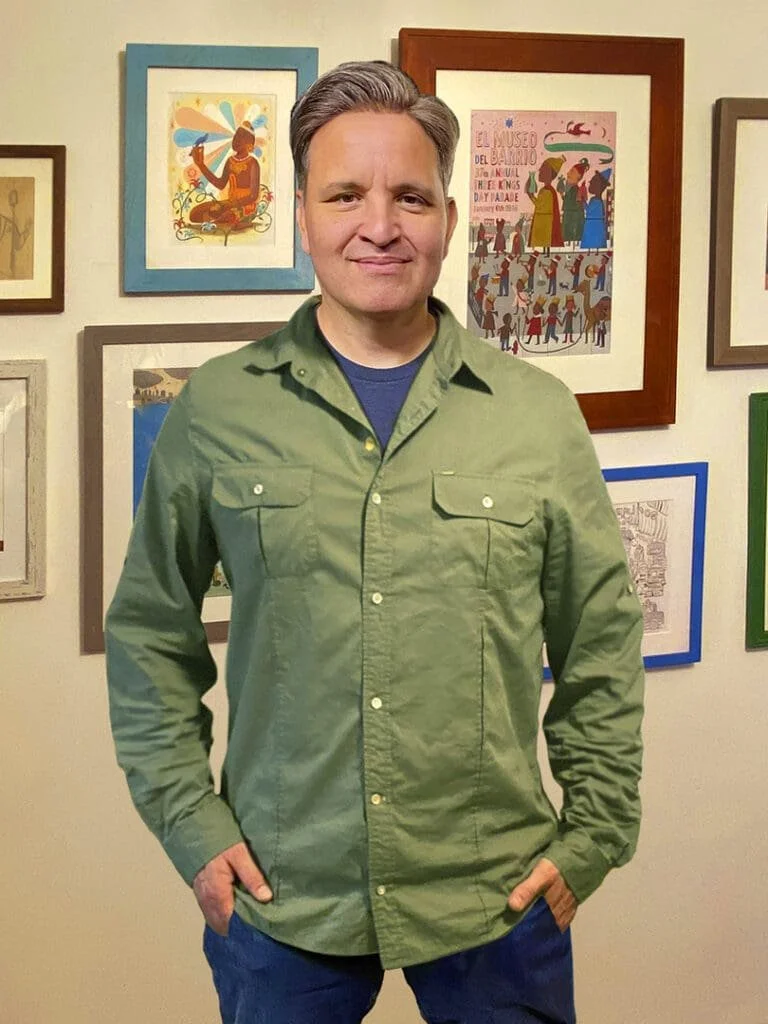
John Parra is an award-winning artist, illustrator, author, and educator, best known for his Latino themed children’s picture books. His illustrations for Frida Kahlo and Her Animalitos, written by Monica Brown, was a New York Times Best Illustrated Book, and Green Is a Chile Pepper: A Book of Colors by Roseanne Thong, received a Pura Belpré Honor and the Américas Book Award.
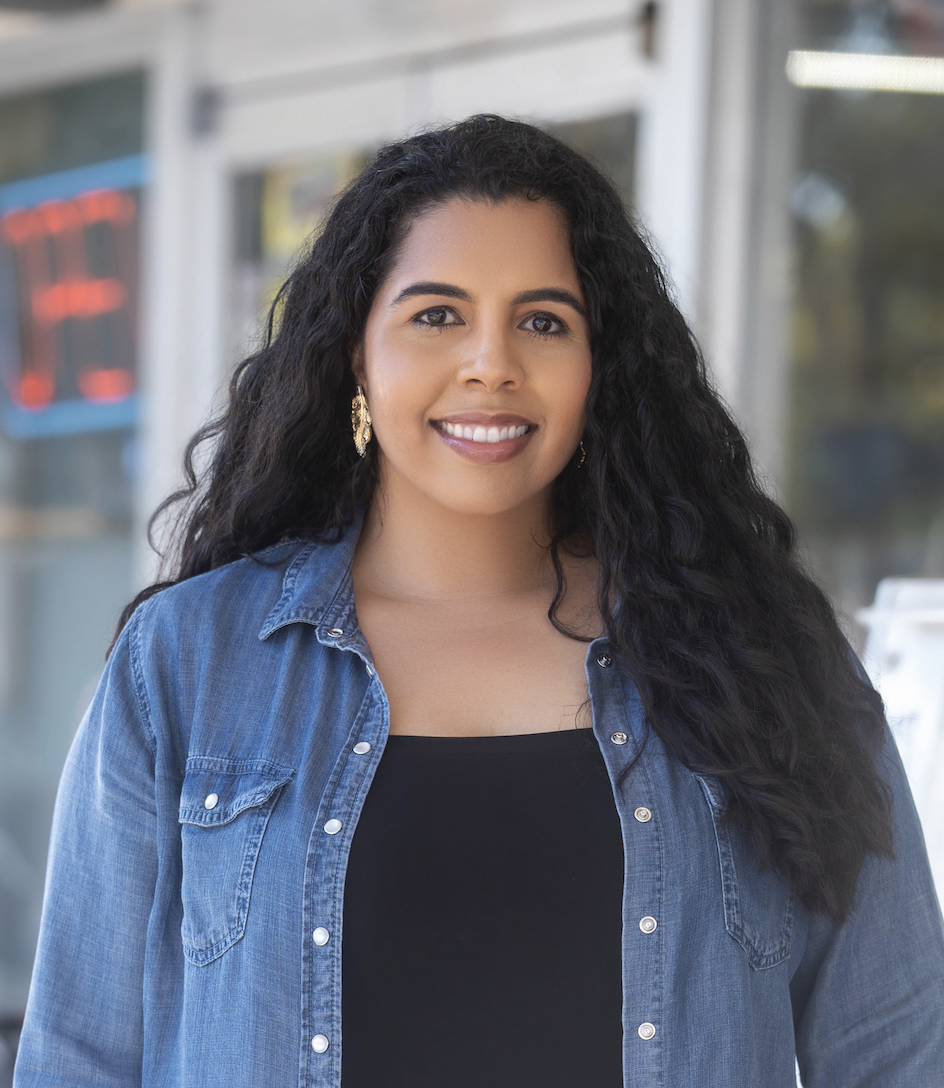
Amaris Castillo is an award-winning journalist and writer. Her debut book, Bodega Stories, will be published on Sept. 8, 2026 from the University Press of Florida.