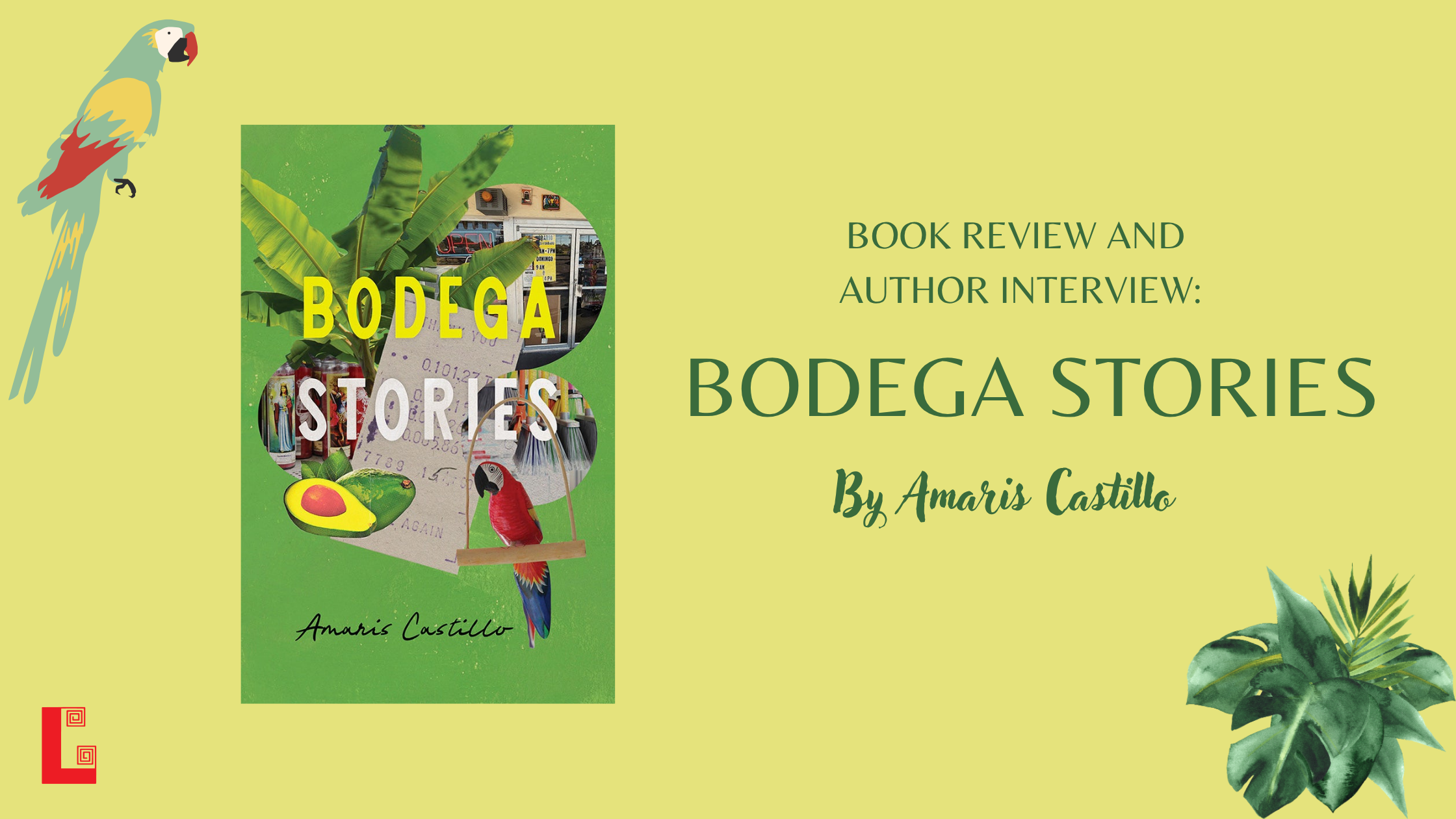
Bodega Stories is referred to as a “love letter to [Amaris’s] Dominican immigrant parents and their bodega” by Booklist, and I agree, but I’d add: and to working-class Latine immigrants in the United States. Amaris Castillo spent years researching, interviewing, and observing the communities that entered Orlando Latin Market, her parents’ convenience store, and she wrote love letters to them. In this compelling nonfiction collection of interconnected short stories, Castillo creates this vibrant and seasoned narrative about Latine immigrants making a living in St. Petersburg, Florida.
Undoubtedly, Castillo’s parents, Damaris and Freddy, are the protagonists here, and what a pair of charismatic people to follow. The author lets us in on the moment her parents first met, when they immigrated to the US, and, of course, when they opened their first bodega in Brooklyn. We also follow them on their journey to Florida and to the opening of Orlando Latin Market and are invited into their day-to-day operations. Castillo cleverly draws these vignettes for us in a nonchronological way that enriches the story while giving it a pleasant dynamism.
When talking to her about the process of interviewing her parents, Castillo said, “It was like peeling an onion. I would pull on a layer, then another, followed by another. My parents would remember something, and then I’d follow up with another question about a detail they shared.” She continued by explaining that in the year she had to finish the manuscript, they did countless interviews, and it sometimes was hard to separate her research from their family time. “When was I their daughter? When was I the author?” she would ask herself. Even if it was difficult, Castillo had a clear goal: to capture her parents’ story as bodegueros and the spirit of their store. And, at least to this reader, she achieves just that.
Speaking of the store, there would be none without employees and customers. Castillo welcomes us to Orlando Latin Market as if we were right there buying groceries and eavesdropping into her conversations with the regulars. We get to know them by the items they put in their baskets and by their peculiar stories. A barbershop owner who survived more than one life-threatening situation, a grandmother who would not leave Cuba without her spoiled puppy, a former bodega employee carrying a tattoo with a story of longing, a grieving daughter who goes to the bodega to recall her grocery shopping memories with her mother, and many more touching and inspiring stories fill this book with a kaleidoscope of journeys that are special in their own way. Castillo weaves these testimonies around her parents’ because, in her own words, “Bodega Stories would be incomplete without their voices.” At its core, this book is about community, and the Orlando Latin Market community is made up of all the people that come in and out of the store. These employees and customers tell Castillo about their struggles, their faiths, their memories, and their traditions. We even get to know about those the author didn’t interview by seeing their postings on the bodega’s bulletin board (a refreshing touch to the narrative). Through them, readers learn the differences and similarities among immigrant communities, and the diversity of the Latine experience in the US.
To me, the most charming element in this collection is the way Castillo shows us the beauty of everyday life without romanticizing it. She makes sure we know the hardships of the working class while portraying the magic of frying a plátano for your loved ones. When asked about what she wanted to tell readers about the immigrant working class, Castillo shared, “They pour their energy, often physical and almost always mental, in exchange for the income required to pay rent and other living expenses. And sometimes it’s not enough.” She shows this restrictive way of living and the way people thrive within it. After a long shift, they go to the bodega to get some chicharrón, they walk the aisles of the store, they crack jokes with witty Freddy, they sing bachatas with Damaris, and sometimes, they stop and tell stories to Amaris, the daughter of two Dominican immigrants who is there to capture the colors of their community.
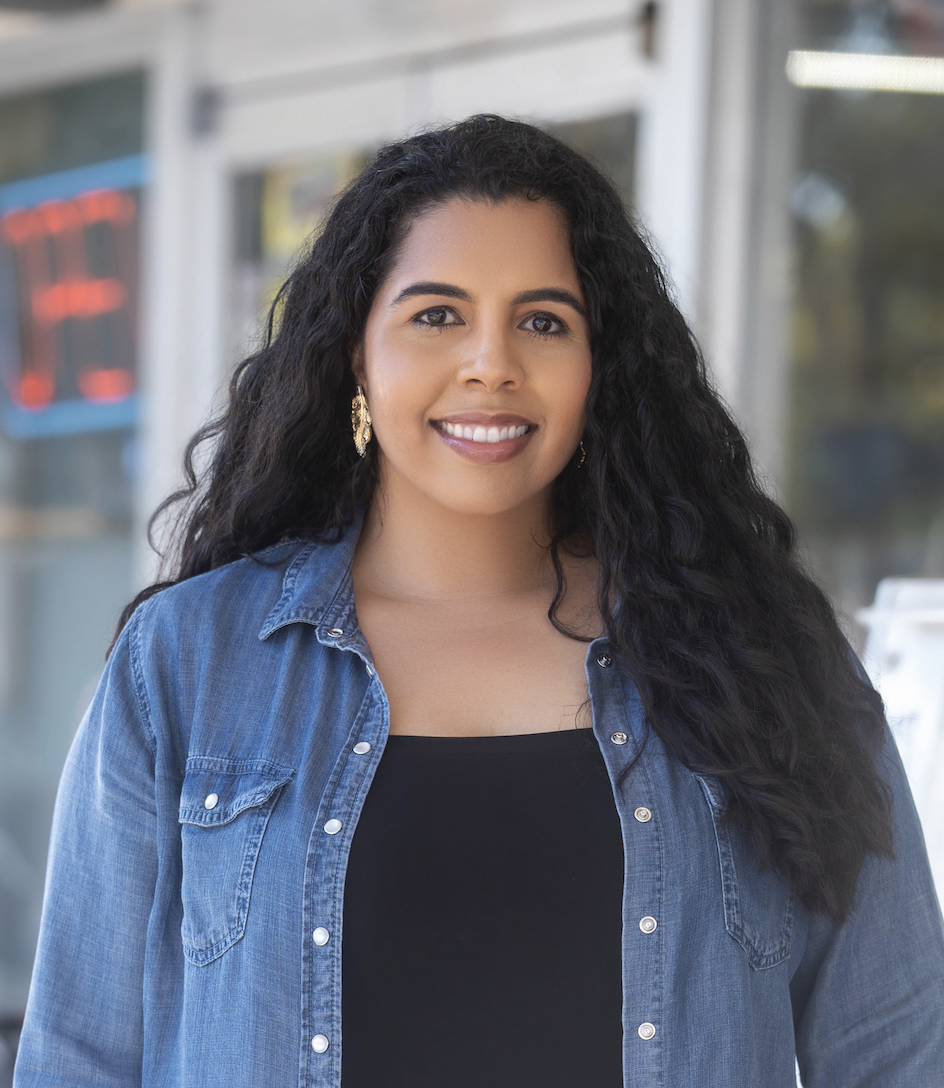
Amaris Castillo is a journalist and a writer. Her debut, Bodega Stories, a collection of true stories from her parents’ Latin market in St. Petersburg, Florida, will be out September 8, 2026 from the University Press of Florida.
Her writing has appeared in several anthologies and she’s received support from Periplus Collective, Las Musas, Latinx in Publishing, and We Need Diverse Books. She also cares deeply about good literary citizenship. She is the lead book reviewer for the Dominican Writers Association and a contributor to Latinx in Publishing and Debutiful. She holds an MS from Columbia Journalism School and a BA in journalism from the University of South Florida. She currently lives in Florida with her family.
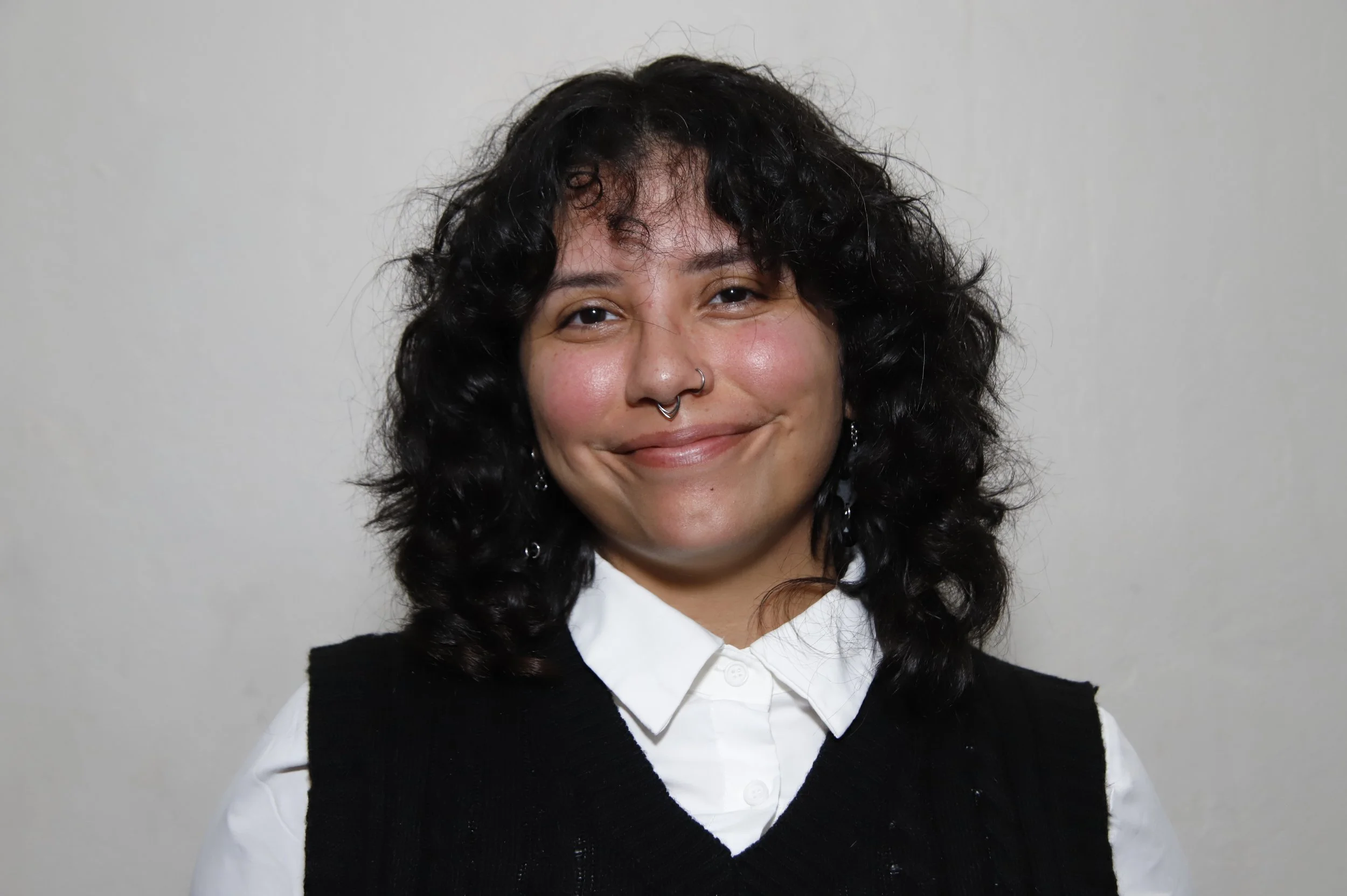
Roxanna Cardenas Colmenares (she/they) is a Venezuelan-born writer and poet who was Latinx in Publishing’s Communications Intern in 2024. They graduated with honors from The City College of New York with a B.A. in English and a Publishing Certificate in May 2026. They’re a We Need Diverse Books Internship Grant recipient (2025) and a Women’s Media Group fellow (2026). Currently, they work as editorial assistant at Scholastic Inc.