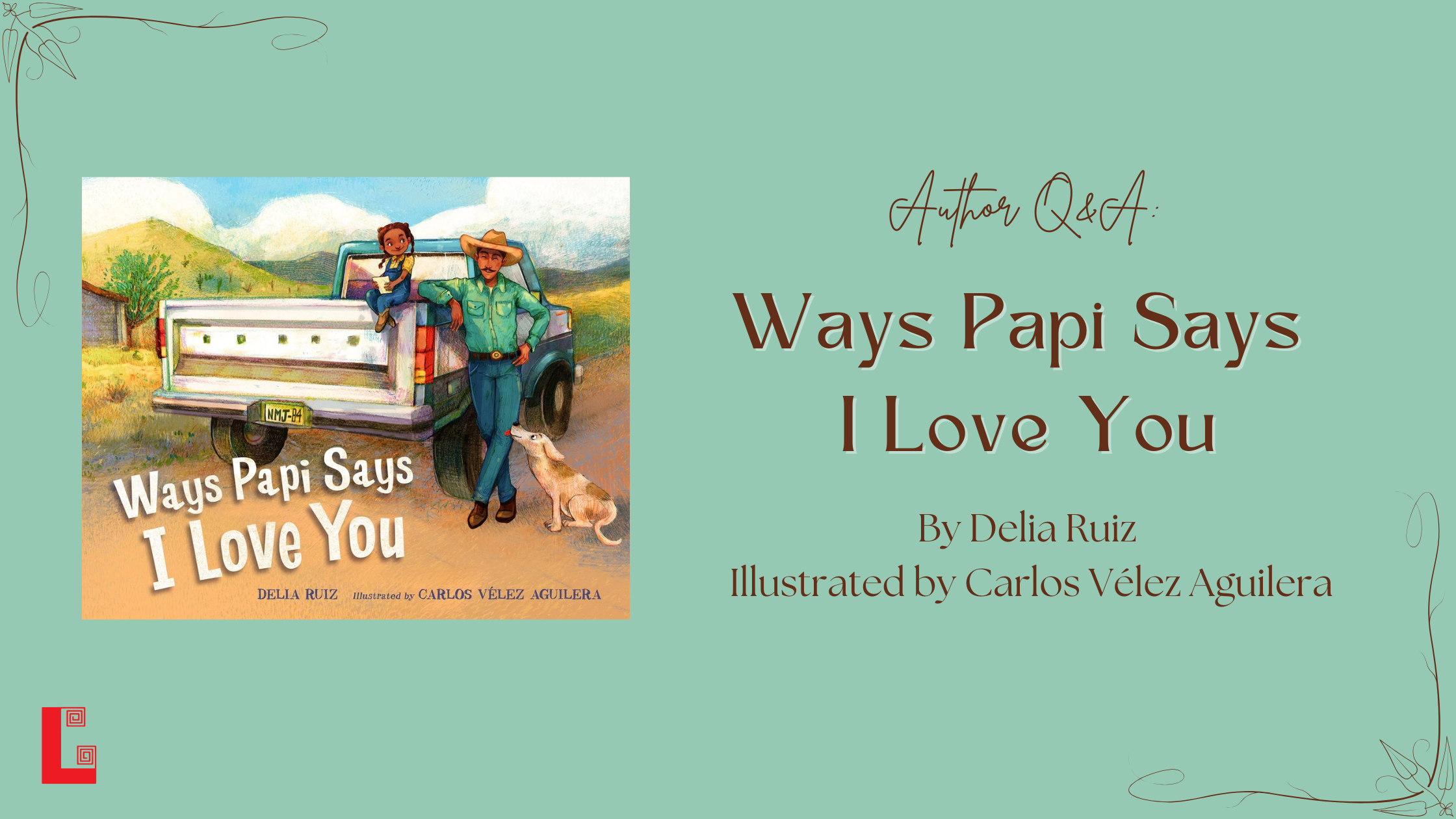
Maricruz is excited for her weekend ride with Papi in his truck. She grabs her sombrero and grocery list. Once inside the truck, Papi tells her to put on her cinturón — her seat belt. “It’s Papi’s way of saying I care about you,” author Delia Ruiz writes.
During their drive through el rancho, Maricruz and her father pass colorful concrete homes and stop by to see Maricruz’s aunt. Papi pulls wildflowers from the yard and hands Maricruz a small bouquet. “This is Papi’s way of saying I appreciate you,” notes the author.
Ways Papi Says I Love You (out on March 24 from Charlesbridge) is a tender-hearted look at the different ways love is demonstrated. Ruiz applies a wonderful blend for young readers of accessible text and sprinkled-in Spanish. Each act of love is also bolded for an added effect. Carlos Vélez Aguilera brings colorful charm to Ruiz’s text with his beautiful illustrations.
Ruiz drew from personal experience to tell this story of Maricruz and her papi. She herself has memories of cruising through San Luis Potosí, Mexico, with her father in his 1984 Ford F-150. Ruiz said it was their quality time together.
Ways Papi Says I Love You is a touching story about the many love languages between a parent and child. And it’s a gentle reminder for readers to examine and explore their own ways of expressing love.
Ruiz spoke with Latinx in Publishing about her new picture book, the different love languages, and more. The book’s Spanish-language edition, Las maneras en que papi dice te quiero, will also be published simultaneously.
This interview has been edited for clarity and brevity.
Amaris Castillo: Congratulations on Ways Papi Says I Love You. In your author’s note you mention memories of riding in your father’s truck when you lived in a rancho in Mexico. What about those rides inspired you to write this book?
Delia Ruiz: When I drafted this story, I was trying to think about my childhood and what about it brought me joy. One of the things that I thought about was that truck ride, and just riding in the back of my dad’s pickup truck as we went throughout the ranch and waved to the community. It was our quality time together. I wanted to tie in that moment and include more of the other love languages. I wanted to focus on the many ways a parent can express love when those three-letter words are so hard to say. I think having those examples throughout the story can show a child that there’s different ways that love can be shown. There’s no right way or one way that love is expressed.
AC: Your book is very tender in that Maricruz’s father shows his love for her in different ways, like making sure her seatbelt is on, and giving her wildflowers from her tia’s yard. How did you decide which demonstrations of love to include in the book?
DR: I had to think about how to show all the different love expressions for a child. And so I wanted it to be actual things a parent might share specifically during a road trip. In the story, they’re in this rural setting, heading to a store. I first thought about the journey: They’re going through a creek. What happens in the story? They end up losing the (shopping) list, and they stop by a family’s house. How could love be shown throughout that little mini road trip?
I wanted all these reminders of love to flow as naturally as possible, and to also come from a dad who grew up in a rural setting. I had all these reminders and examples of love shown in a way almost like my dad would do, because he does come from this type of setting and background. Then I wanted to tie in the daughter, to show her love at the end in a way that she felt comfortable and she wanted to express. I thought about the journey first, and then how I could sprinkle in those love examples throughout the way, as they’re heading to the store.
“I hope that readers walk away with a joyous Latine story, and work on those communication skills to strengthen those bonds they already have.”
AC: Obviously we’re talking about the five love languages. Some people know what these are, but others don’t. I found out about the love languages well into adulthood. As an author who writes for children, what considerations did you have in making sure this can be digestible to young readers?
DR: That’s such a great question. Like you, I also was the same way. I didn’t find out about all of that until I was in my adult years. I was playing around with the examples of love expressions. My goal wasn’t necessarily for children to just understand those big words, like ‘acts of service,’ or ‘words of affirmations.’ Those are big words. But I wanted them to recognize, through the illustrations and the simple text that’s outlined or bolded, just how it makes them feel. What makes them feel loved? And I want them to carry that awareness into their settings, into their classroom, so they can start to recognize how others around them like to be appreciated.
The illustrations really help with this because they’re able to see these examples on the page, and they can relate to how they love to receive love on their own. Do they like hugs? Do they like gifts? Do they like words? And then I did include back matter on the end of the page, just so the conversation could be expanded, so the parents and educators can help the kids with these kinds of conversations. Ultimately, I just wanted kids to understand how love makes you feel, and what are some examples of what it looks like.
AC: The book was illustrated by Carlos Vélez Aguilera, who is from Mexico. Being that it’s set in a rancho setting and is inspired by your own childhood, what kind of collaboration was there to ensure that the setting itself was drawn accurately or close to memory?
DR: I knew I wanted the story to be set specifically outside of the United States, and I envisioned a very rural type setting. I wanted the illustrator to hopefully either come from this type of background, or know how to draw this type of background. There are many places, even in the Caribbean and throughout Latin America or South America that have rural spots. So for me, it wasn’t such a big worry that they must be from this specific background. I just wanted them to illustrate more of a rural-type scenery. They did give me a list. Carlos was on it. I really liked his portfolio, and he ended up saying yes… I didn’t want a city setting. I didn’t want Cancun, Mexico (setting) or any of these big capital cities. I really wanted the dirt roads. And he was able to do that and make this come to life.
AC: What do you hope readers take away from the Ways Papi Says I Love You?
DR: I definitely want readers to walk away with understanding that there’s not really a right way or one way to express love. I hope that little ones can use this book and see examples of the ways that they enjoy just being cared for. And I hope that parents and educators can walk away with this book and practice that there’s different ways that you can make your kids feel appreciated. It helps create this deeper bond, or strengthen that bond that we have. So I hope that readers walk away with a joyous Latine story, and work on those communication skills to strengthen those bonds they already have.
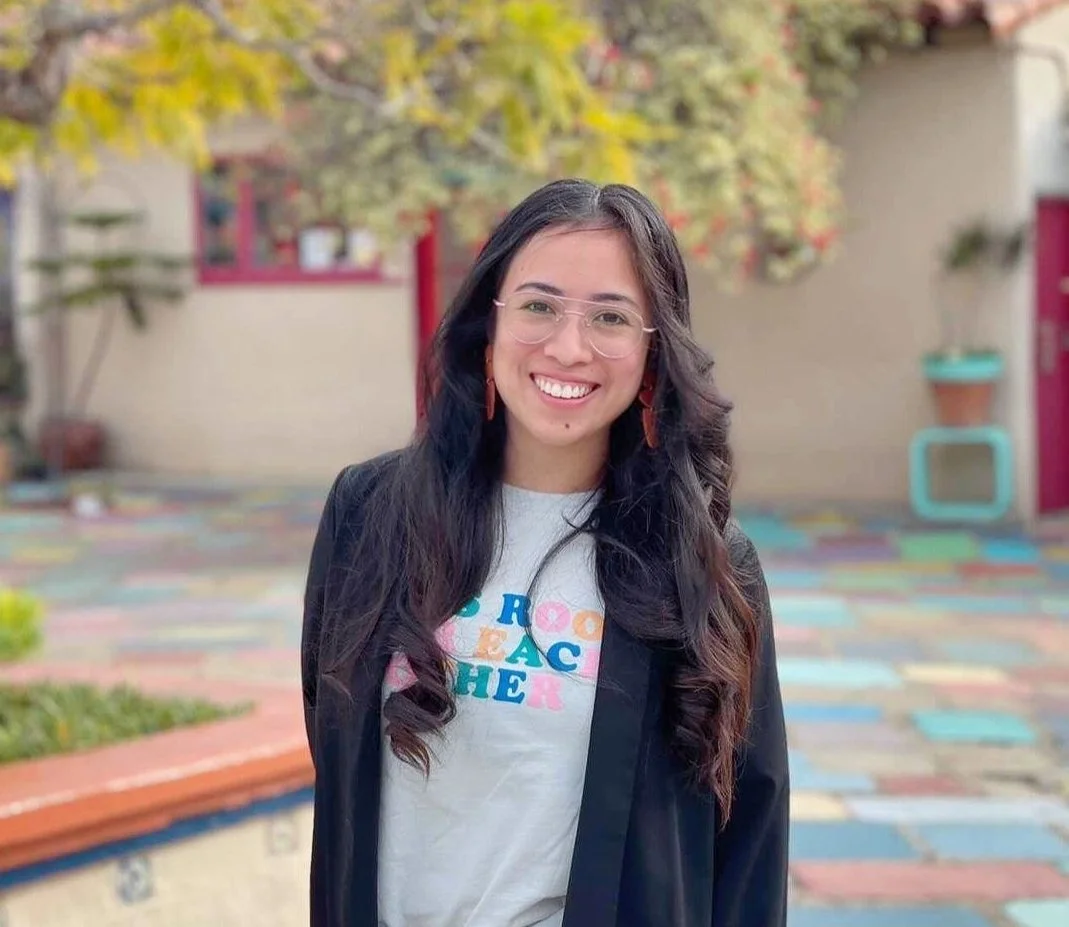
Delia Ruiz is a Latine teacher-turned-author from San Antonio, Texas. Her books include the ¡1, 2, 3 Baila! bilingual board book series and Roqui’s Pandero Beat, winner of the International Latino Book Award. Delia hopes to inspire the next generation of writers who also come from immigrant households. She lives in Puerto Rico with her husband, their son, and their pug. www.aventurasenesl.com
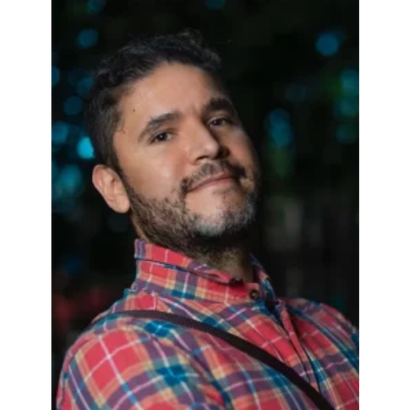
Carlos Vélez Aguilera is an award-winning illustrator from Mexico City, Mexico, who has a degree from the National University Autonomous of Mexico. He has illustrated more than twenty children's books, and he’s the author/illustrator of Salón Destino. Carlos has been recognized with two illustration awards from the International Children's and Youth Book Fair in Mexico.

Amaris Castillo is an award-winning journalist and writer. Her debut book, Bodega Stories, will be published in September 2026 from the University Press of Florida.